
Description
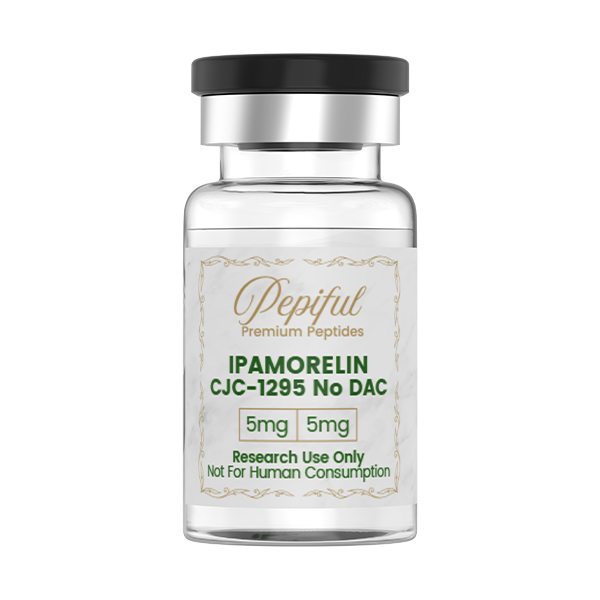
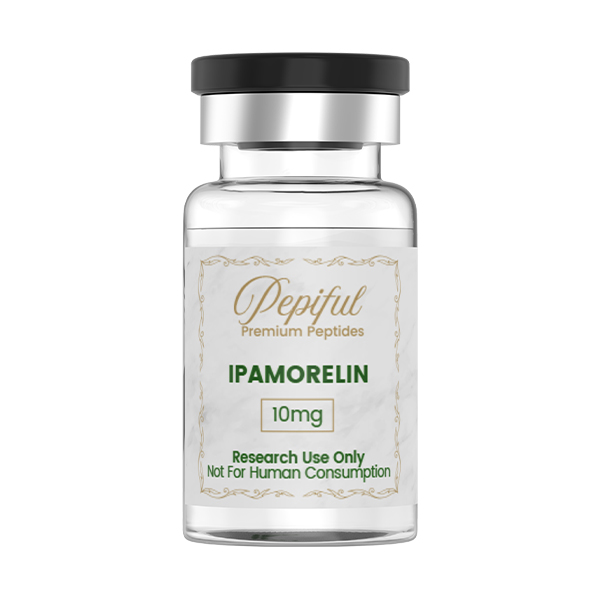
Ipamorelin + CJC‑1295 Blend [ Ipamorelin (5mg) / CJC-1295 No DAC (5mg)] — Researcher‑Focused Summary
Composition: Combination of a selective ghrelin/growth‑hormone secretagogue receptor (GHS‑R1a) agonist (ipamorelin) with a long‑acting growth‑hormone‑releasing hormone (GHRH) analog (CJC‑1295; often the DAC‑conjugated form used to extend half‑life).
Intended use: To synergistically stimulate endogenous growth hormone (GH) release with improved amplitude and duration versus single agents—targeted for anabolic, metabolic, anti‑aging, body‑composition, and recovery indications.
Evidence base: Extensive preclinical endocrine pharmacology and clinical data for components as GH‑releasing agents; combination regimens studied in research and clinical settings to augment pulsatile GH secretion, but large controlled outcome trials for long‑term clinical benefits are limited.
Key pharmacologic effects
Synergistic GH stimulation: Ipamorelin (GHS‑R1a agonist) increases GH pulse amplitude via ghrelin‑pathway activation; CJC‑1295 (GHRH analog) increases GH pulse frequency and baseline by stimulating somatotrophs and extending GHRH activity when DAC‑conjugated. Combined use yields greater integrated GH exposure and downstream IGF‑1 increases than either agent alone.
Minimal prolactin and cortisol effects: Compared with some secretagogues, ipamorelin shows relative selectivity for GH with minimal ACTH/cortisol or prolactin stimulation at typical doses.
Anabolic, metabolic, and tissue‑repair signaling: Elevated GH/IGF‑1 supports protein synthesis, lipolysis, bone remodeling, and tissue repair pathways; may modulate metabolic rate, body composition, and recovery processes.
Cardiometabolic and regenerative hypotheses: Proposed benefits include improved lean mass, reduced adiposity, enhanced wound/healing and recovery, and favorable bone turnover; evidence for clinical endpoints varies.
Efficacy (preclinical and clinical highlights)
Hormonal endpoints: Robust increases in GH pulsatility and integrated GH/IGF‑1 exposure demonstrated in healthy volunteer studies and in clinical research with various secretagogue + GHRH combinations. CJC‑1295 (DAC) produces sustained GHRH activity and prolonged IGF‑1 elevation. Ipamorelin reliably raises GH with fewer off‑target pituitary hormone effects.
Body composition and functional outcomes: Short‑term studies show modest increases in lean mass and reductions in fat mass with GH secretagogues/GHRH analogs; durable clinically meaningful functional benefits (strength, frailty, cardiovascular outcomes) require larger/longer RCTs.
Metabolic effects: Mixed data on insulin sensitivity—GH elevation can transiently reduce insulin sensitivity while improving body composition; net metabolic effects depend on dose/exposure and population.
Aging and sarcopenia research: Investigational use focuses on sarcopenia, frailty, and recovery; definitive evidence for improved morbidity/mortality or long‑term functional outcomes is limited.
Mechanistic considerations
Dual‑axis stimulation: CJC‑1295 (GHRH analog) increases somatotroph responsiveness and pulse frequency; ipamorelin acts at hypothalamic/pituitary ghrelin receptors to amplify GH pulse amplitude—together restoring/enhancing physiologic pulsatility.
Downstream IGF‑1/insulin‑like signaling: Increased hepatic IGF‑1 production mediates many peripheral anabolic and reparative effects; local tissue IGF signaling also contributes to regeneration.
Receptor selectivity and safety profile: Ipamorelin’s selectivity minimizes ACTH/cortisol and prolactin release comparative to less selective secretagogues (e.g., ghrelin, hexarelin), potentially improving tolerability.
Dose‑response dynamics: Timing relative to meals, sleep, and exercise influences GH responsiveness; chronic elevated GH exposure may have different effects than intermittent physiological pulses.
Pharmacokinetics and delivery
Administration: Both agents are administered parenterally—subcutaneous injections are typical; CJC‑1295 DAC allows less frequent dosing due to extended half‑life versus non‑DAC forms.
PK/PD profiles: Ipamorelin has short onset and half‑life, producing acute GH pulses after injection; CJC‑1295 (DAC) sustains GHRH activity and elevates baseline GH/IGF‑1 over days to weeks. Combined regimens use ipamorelin for pulses and CJC‑1295 DAC for tonic support.
Gaps: Standardized head‑to‑head PK/PD comparisons across dosing regimens (timing, frequency, dose ratios), tissue IGF‑1 kinetics, and long‑term endocrine adaptation studies in target populations are limited.
Safety and tolerability
Short‑term safety: Generally well tolerated in controlled studies—common effects include injection‑site reactions, transient GH‑related symptoms (edema, arthralgia), and mild fluid retention. Ipamorelin’s minimal ACTH/cortisol/prolactin effects improve endocrine tolerability compared with some secretagogues.
Metabolic risks: GH elevation can cause transient insulin resistance and hyperglycemia; monitor fasting glucose/HbA1c and consider risk in populations with diabetes or metabolic syndrome.
Long‑term safety: Potential risks include dysregulated glucose metabolism, edema, carpal tunnel symptoms, joint pain, and theoretical concerns about neoplastic progression given GH/IGF‑1 proliferative signaling—no large long‑term RCTs definitively establish cancer risk.
Regulatory/quality: Peptide sourcing, GMP grade, and dosing accuracy are critical; off‑label or unregulated products pose contamination and potency risks.
Research gaps and priorities
Optimized dosing regimens
Define ipamorelin dose/timing relative to CJC‑1295 dosing to mimic physiological GH pulsatility while minimizing adverse metabolic effects; evaluate sleep/exercise timing interactions.
Long‑term efficacy trials
Large RCTs in target populations (sarcopenia, frailty, GH deficiency, recovery after catabolic illness) powered for functional outcomes (strength, mobility, fracture risk, quality of life) and metabolic endpoints.
Safety and carcinogenicity assessment
Long‑term surveillance studies and preclinical carcinogenicity models addressing GH/IGF‑1–mediated proliferative risk; post‑marketing‑style registries if clinical use expands.
Metabolic interaction studies
Characterize effects on insulin sensitivity, lipid profiles, and body composition across doses and in populations with cardiometabolic disease.
Biomarkers and individualized therapy
Identify PD biomarkers (GH pulsatility metrics, IGF‑1 dynamics, downstream signaling markers) and predictive factors (age, baseline GH axis status, comorbidities) to stratify responders and tailor dosing.
Comparative effectiveness
Compare blend against recombinant GH therapy, other secretagogues, and non‑pharmacologic interventions (resistance exercise, protein supplementation) for efficacy, safety, cost, and patient‑centered outcomes.
Practical experimental notes
Endpoints: Hormonal (GH pulsatility, integrated GH AUC, IGF‑1), metabolic (fasting glucose, insulin sensitivity indices, lipids), body composition (DEXA), functional (muscle strength, gait speed, frailty scores), and safety (edema, glucose control, adverse events, neoplasia surveillance).
Dosing and administration: Typical approach—CJC‑1295 DAC subcutaneous injection (e.g., weekly dosing paradigms in research) with ipamorelin given multiple times daily or timed to sleep/exercise to elicit pulses; report exact dosing, timing, and formulation details.
Study design: Randomized, placebo‑controlled trials with endocrine and clinical co‑primary endpoints; consider crossover designs for short‑term hormonal studies and parallel designs for long‑term functional outcomes.
PK/PD sampling: Frequent sampling for GH pulsatility analysis (frequent e.g., 10–20‑min sampling over multiple hours), serial IGF‑1 measurements, and downstream signaling biomarkers; include glucose/insulin monitoring.
Safety monitoring: Regular metabolic panels, glucose/HbA1c, joint and edema assessments, injection‑site surveillance, and malignancy screening per risk profile; define stopping criteria for significant metabolic derangements.
Statistical considerations: Power for both hormonal endpoints and clinically meaningful functional outcomes; account for multiple comparisons and potential heterogeneity by age/sex/comorbidity.
Conclusion
Rationale: Combining ipamorelin with CJC‑1295 leverages complementary mechanisms to augment endogenous GH secretion in amplitude and duration, potentially improving anabolic, metabolic, and reparative processes more physiologically than exogenous GH alone.
Evidence status: Strong endocrine PK/PD rationale and short‑term hormonal efficacy demonstrated; robust long‑term randomized evidence for clinically meaningful benefits and safety is limited. Priority research includes optimized dosing/timing protocols, long‑term efficacy and safety trials, metabolic interaction studies, biomarker development, and standardized GMP manufacturing to support translational application.
Disclaimer: FOR RESEARCH PURPOSES ONLY. NOT FOR HUMAN CONSUMPTION.
Reviews
There are no reviews yet.