
Description
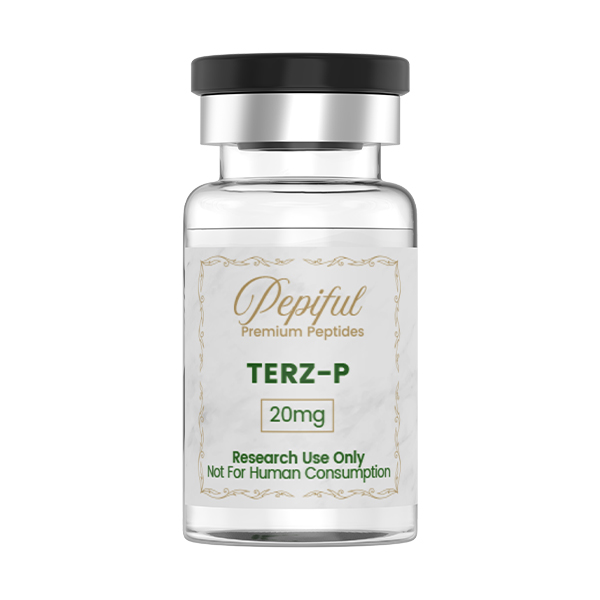
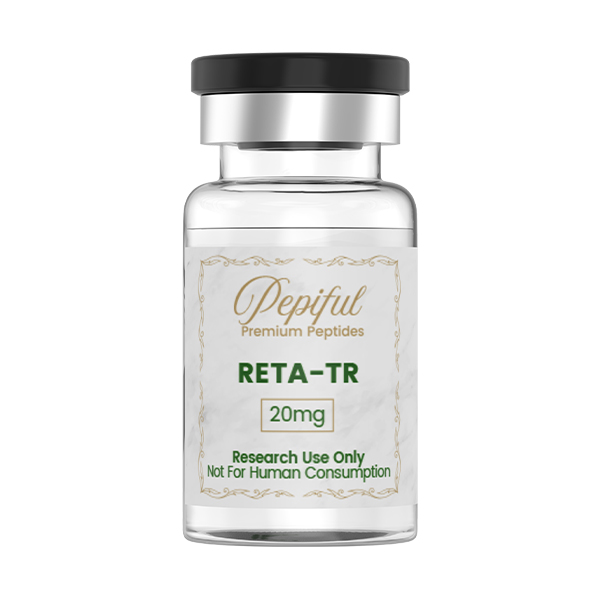
TERZ-P (Tirzepatide 20mg) — Researcher-Focused Summary
Tirzepatide is a synthetic peptide dual agonist of glucose‑dependent insulinotropic polypeptide (GIP) and glucagon‑like peptide‑1 (GLP‑1) receptors, designed to leverage complementary incretin pathways for metabolic modulation.
Key pharmacologic effects
Dual GIP/GLP‑1 receptor agonism yields enhanced insulinotropic response, glucagon suppression, appetite reduction, and potential increases in energy expenditure.
Long‑acting, once‑weekly pharmacokinetic profile supports sustained receptor engagement.
Efficacy (clinical trial highlights)
Glycemic control: Consistent, clinically meaningful reductions in fasting plasma glucose and HbA1c versus placebo and many active comparators in phase 2/3 studies.
Weight loss: Dose‑dependent, substantial mean body‑weight reductions, often exceeding those observed with GLP‑1 monoagonists.
Cardiometabolic markers: Improvements reported for triglycerides, LDL/HDL profiles, systolic blood pressure, waist circumference; effects on NAFLD biomarkers are under investigation.
Mechanistic considerations
Synergy hypothesis: GIP activity may potentiate GLP‑1–mediated anorectic and insulinotropic effects while modulating adipose tissue metabolism; mechanistic details of GIP’s contribution to weight loss remain an active area of study.
Tissue specificity: Differential receptor expression and biased agonism could underlie tissue‑selective responses; receptor desensitization and downstream signaling pathways warrant further mapping.
Metabolic inflammation & adipose remodeling: Preclinical and exploratory clinical data suggest effects on adipose inflammation and browning; confirmatory mechanistic studies are needed.
Safety and tolerability
Adverse events: Predominantly gastrointestinal (nausea, vomiting, diarrhea); incidence is dose‑dependent and commonly mitigated by stepwise titration.
Hypoglycemia: Elevated risk when combined with insulin secretagogues or exogenous insulin—requires regimen adjustment and monitoring.
Long‑term safety: Ongoing surveillance and long‑duration trials are assessing cardiovascular outcomes, pancreatic and thyroid safety signals, and other off‑target risks.
Clinical development and indications
Primary approvals/indications: Type 2 diabetes (demonstrated superiority for glycemic lowering and weight reduction in pivotal trials).
Investigational indications: Obesity, NAFLD/NASH, and cardiometabolic risk reduction; multiple phase 2/3 programs and mechanistic substudies are active.
Research gaps and priorities
Mechanism: Clarify molecular basis of GIP contribution to weight loss and energy expenditure; delineate receptor signaling bias and tissue‑specific effects.
Durability: Determine long‑term efficacy sustainability and mechanisms of weight‑regain resistance or relapse.
Comparative effectiveness: Head‑to‑head comparisons with GLP‑1 monoagonists and emerging multi‑agonists (e.g., GLP‑1/glucagon hybrids) across metabolic endpoints.
Safety phenotyping: Long‑term cardiometabolic outcome trials, oncologic surveillance, reproductive safety, and rare adverse‑event characterization.
Combination strategies: Evaluate synergistic effects with lifestyle, other pharmacotherapies, and device interventions; investigate personalized predictors of response (genetic, metabolic, microbiome).
Practical experimental notes
Dosing: Clinical protocols use gradual up‑titration to target doses to limit GI AEs.
Biomarkers: Track HbA1c, fasting glucose, weight, body composition, lipids, liver enzymes, inflammatory markers, and insulin sensitivity indices; consider mechanistic biomarkers (adipokines, BAT activity, receptor expression).
Study design: Incorporate metabolic phenotyping, tissue biopsies where feasible, and integrated omics to elucidate pathways of response and resistance.
Conclusion: Tirzepatide exemplifies the translational potential of multi‑agonist peptide therapeutics for metabolic disease. Priority research should focus on mechanistic elucidation of GIP/GLP‑1 synergy, long‑term outcomes, and biomarkers to guide precision use.
Disclaimer: FOR RESEARCH PURPOSES ONLY. NOT FOR HUMAN CONSUMPTION.

Reviews
There are no reviews yet.