
Description
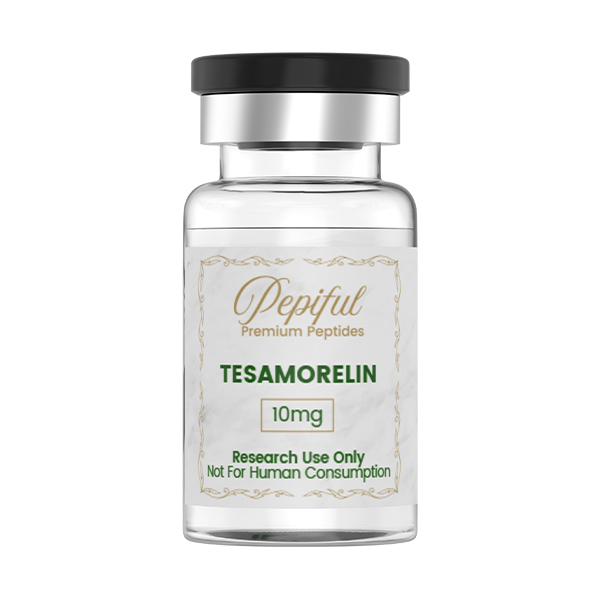
Tesamorelin (10mg) — Researcher-Focused Summary
Tesamorelin is a synthetic, stabilized analog of growth‑hormone‑releasing hormone (GHRH) that stimulates endogenous growth hormone (GH) secretion, increasing insulin‑like growth factor‑1 (IGF‑1) levels. It is approved in some jurisdictions for reducing excess abdominal fat in HIV‑associated lipodystrophy and is under investigation for broader metabolic and hepatic indications.
Key pharmacologic effects
Hypothalamic stimulation: Binds GHRH receptors in the pituitary to stimulate pulsatile GH release, leading to downstream increases in IGF‑1 and GH‑mediated metabolic effects.
Lipolytic and body‑composition effects: Promotes adipose tissue lipolysis and preferential reduction of visceral adipose tissue (VAT) with relative preservation of lean mass in clinical studies.
Metabolic modulation: Improves body composition, and can influence lipid profiles, hepatic fat content, and other cardiometabolic markers; effects on insulin sensitivity are variable and context‑dependent.
Anabolic and reparative signaling: GH/IGF‑1 axis activation may have anabolic effects on muscle and influence tissue repair processes.
Efficacy (clinical and translational highlights)
Visceral fat reduction: Randomized controlled trials in HIV‑associated lipodystrophy demonstrated significant reductions in abdominal VAT measured by imaging (MRI/CT) with tesamorelin versus placebo.
Hepatic fat and NASH endpoints: Secondary analyses and dedicated studies report reductions in liver fat content and exploratory improvements in some NASH‑related biomarkers; histologic outcome data are limited and under active investigation.
Body composition and metabolic markers: Demonstrated VAT reduction with modest effects on triglycerides and waist circumference; effects on glycemic control vary, with some studies showing neutral or slightly adverse impacts on insulin sensitivity.
Functional outcomes: Limited data on muscle strength or physical function; anabolic effects on lean mass are inconsistent and may depend on concomitant interventions (exercise, nutrition).
Mechanistic considerations
Pulsatile GH physiology: Tesamorelin restores more physiological GH pulsatility compared with continuous GH analog administration, which may affect downstream signaling and safety profile.
VAT sensitivity: Visceral adipose tissue has high GH receptor expression and metabolic responsiveness, explaining preferential VAT mobilization.
Hepatic effects: Reduction in hepatic fat likely reflects combined lipolytic effects, altered adipokine signaling, and changes in systemic lipid flux; direct hepatic GH/IGF‑1 signaling contributions require elucidation.
Insulin signaling tradeoffs: GH increases lipolysis and free fatty acids, which can transiently impair insulin sensitivity; balancing dose, duration, and patient selection is important.
Safety and tolerability
Common adverse effects: Injection‑site reactions, arthralgia, peripheral edema, myalgia; most are dose‑related and generally manageable.
Metabolic safety: Potential for increased fasting glucose and insulin resistance in some patients; monitor glycemic parameters, especially in those with diabetes or prediabetes.
Neoplastic concerns: The GH/IGF‑1 axis has theoretical implications for tumorigenesis; long‑term surveillance data are limited—caution in patients with active malignancy or high cancer risk.
Antibody formation: Low incidence of anti‑drug antibodies reported, typically non‑neutralizing; immunogenicity monitoring advisable in long‑term studies.
Research gaps and priorities
Long‑term outcomes: Determine durability of VAT reduction, effects on cardiometabolic events, and long‑term safety including cancer surveillance and metabolic sequelae.
NASH and hepatic endpoints: Conduct adequately powered, randomized histologic trials to assess tesamorelin’s impact on NASH resolution, fibrosis regression, and liver‑related outcomes.
Metabolic phenotype stratification: Identify patient subgroups (e.g., degree of insulin resistance, baseline VAT, HIV vs non‑HIV populations) most likely to benefit with acceptable risk.
Mechanistic studies: Clarify pathways linking GH/IGF‑1 signaling to hepatic lipid metabolism, adipose tissue remodeling, and systemic insulin sensitivity; investigate GH pulsatility effects on downstream signaling.
Combination strategies: Explore synergistic combinations with lifestyle interventions, anti‑steatotic agents, or metabolic therapies to maximize hepatic and systemic benefits while mitigating glycemic risk.
PK/PD and dosing optimization: Refine dosing regimens to balance efficacy with metabolic safety; investigate intermittent vs continuous exposure and potential biomarkers of response (IGF‑1 dynamics, FFA flux).
Practical experimental notes
Endpoints and biomarkers: Use MRI/CT for VAT quantification, proton density fat‑fraction (PDFF) for liver fat, HbA1c/glucose/insulin/clamp studies for glycemic effects, lipid panels, inflammatory markers, and IGF‑1 as PD marker.
Study design: Incorporate randomized, placebo‑controlled trials with adequate duration (≥6–12 months) for body‑composition and hepatic endpoints; include mechanistic substudies (adipose biopsies, flux studies, transcriptomics).
Safety monitoring: Regular glycemic monitoring, IGF‑1 levels, injection‑site assessments, and cancer surveillance where appropriate; track anti‑drug antibodies in long‑term studies.
Population considerations: While approved for HIV‑lipodystrophy, translational studies should carefully select non‑HIV cohorts (e.g., obese with NAFLD) with prespecified safety criteria.
Conclusion: Tesamorelin is a GHRH analog that effectively reduces visceral adiposity and shows potential to reduce hepatic steatosis, leveraging physiological GH pulsatility. Critical research priorities include definitive hepatic histologic trials, long‑term safety assessment (metabolic and oncologic), mechanistic studies of GH‑mediated lipid handling, and patient stratification strategies to optimize therapeutic benefit while minimizing glycemic and other risks.
Disclaimer: FOR RESEARCH PURPOSES ONLY. NOT FOR HUMAN CONSUMPTION.

Reviews
There are no reviews yet.