
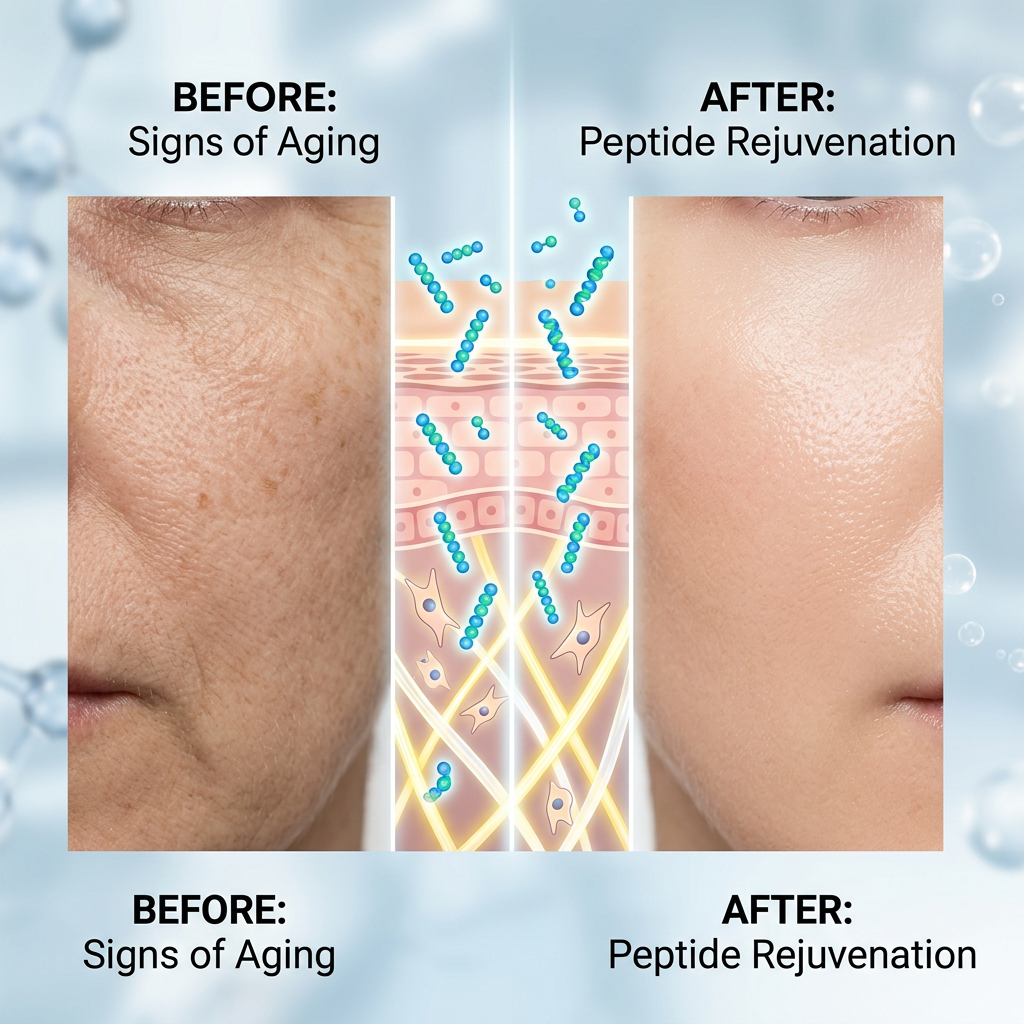
Peptides—short chains of amino acids—are emerging as powerful therapeutic agents that help counteract aging and protect tissues from environmental damage. Their targeted actions, versatility, and improving delivery methods make them a promising tool for preserving function, speeding recovery, and improving healthspan.
What peptides do
- Signal and regulate: Peptides act as messengers that turn on repair pathways, modulate inflammation, and stimulate cell growth.
- Support structure: Some peptides promote collagen, elastin, and extracellular matrix production, improving skin and tissue integrity.
- Protect cells: Certain peptides have antioxidant, antimicrobial, or mitochondrial-supporting actions that reduce cellular stress.
Therapeutic benefits for aging
- Skin rejuvenation
- Peptides such as collagen-stimulating fragments and matrix‑repair peptides increase collagen synthesis, reduce fine lines, and improve elasticity and hydration.
- Topical peptides (e.g., palmitoyl peptides, copper peptides) can improve barrier function and accelerate wound healing.
- Reduced inflammation and immunomodulation
- Anti-inflammatory peptides help dampen chronic, low-grade inflammation (inflammaging) that contributes to tissue degeneration and age-related disease.
- Mitochondrial and metabolic support
- Mitochondria-targeting peptides can enhance cellular energy production, reduce oxidative stress, and improve metabolic resilience—factors linked to healthier aging.
- Muscle maintenance and recovery
- Peptides that stimulate growth factor pathways (e.g., IGF-related peptides) can help preserve muscle mass, improve repair after injury, and support mobility in older adults.
- Neuroprotection
- Neurotrophic peptides and peptide-based modulators of synaptic signaling show promise in protecting neurons, supporting cognitive function, and aiding recovery after injury.
Protection from environmental factors
- UV and oxidative stress: Antioxidant and DNA‑repair–supporting peptides reduce oxidative damage from UV exposure and pollutants, limiting photoaging and mutation risk.
- Barrier repair: Peptides that strengthen skin barrier function reduce penetration of pollutants and allergens, lowering inflammation and sensitivity.
- Antimicrobial defense: Some peptides have antimicrobial properties that reduce infection risk in compromised skin or wounds.
Why peptides are well-suited for these roles
- Specificity: Peptides can target precise receptors and signaling pathways, reducing off-target effects common with small molecules.
- Design flexibility: Chemical modification and delivery technologies (stapling, cyclization, nanoparticles, topical formulations) improve stability and bioavailability.
- Faster development: Compared with large biologics, peptides often move more quickly from discovery to clinical assessment.
Limitations and safety considerations
- Delivery challenges: Many therapeutic peptides require injections or formulation technologies to reach targets; oral bioavailability is limited for many.
- Variable regulation in consumer markets: Over-the-counter peptide products vary in quality—clinical-grade evidence is stronger for some peptides than others.
- Side effects and long-term data: Peptide therapies can have side effects and long-term safety data remain limited for many experimental uses; use should follow clinical guidance.
Practical considerations
- For skin concerns, choose clinically tested topical peptide formulations from reputable manufacturers and follow evidence-based regimens.
- For systemic therapies, rely on licensed medical providers and peer-reviewed evidence before using injectable or prescription peptide treatments.
- Consider lifestyle measures (sun protection, nutrition, exercise, sleep) which synergize with peptide therapies to reduce aging and environmental harm.
Outlook
Peptides offer targeted, flexible therapeutic approaches to slow or reverse aspects of aging and to protect tissues from environmental insults. As research, formulation, and regulation advance, peptides are likely to become more integrated into preventive and restorative medicine—complementing lifestyle measures and established therapies to improve healthspan and resilience.
Posted on: May 4, 2026
Categories: Health, Aging, Therapeutics
Tags: peptides, anti-aging, skincare, regenerative medicine

Leave a Reply